Skip to content
GGIL

Products

Colour powders

Holi gulal in the full shade range, on a corn-starch base with chemical-free raw materials. Retail packs and bulk.

Video paused. Select to play.

Gulal is the dry coloured powder thrown and smeared at Holi. Ours is milled on a corn-starch base and coloured with chemical-free raw materials, which is what lets it wash out of skin and most fabrics rather than staining them. It is the product the company was founded on in 1951, and it remains the largest part of what leaves the plant at Hathras each year.

The same powder has a second life well outside the Indian festival calendar. Corn-starch colour is what colour-run organisers, school colour wars and photographers buy, and that trade runs to a different season and a different specification from Holi. Both come off the same lines.

Where it is used

Colour powders beyond the obvious occasion

  • Holi

    The festival the product exists for. Dry gulal for smearing and throwing, sold in retail packs through the dealer network and in bulk for community celebrations.

  • Colour runs

    Untimed 5K fun runs where participants start in white and are covered at colour stations along the route. The format was modelled on Holi and now runs worldwide.

  • Weddings and celebrations

    Haldi ceremonies, receptions and entry moments, where colour is thrown by a crowd on cue rather than played with over hours.

  • Photography and film

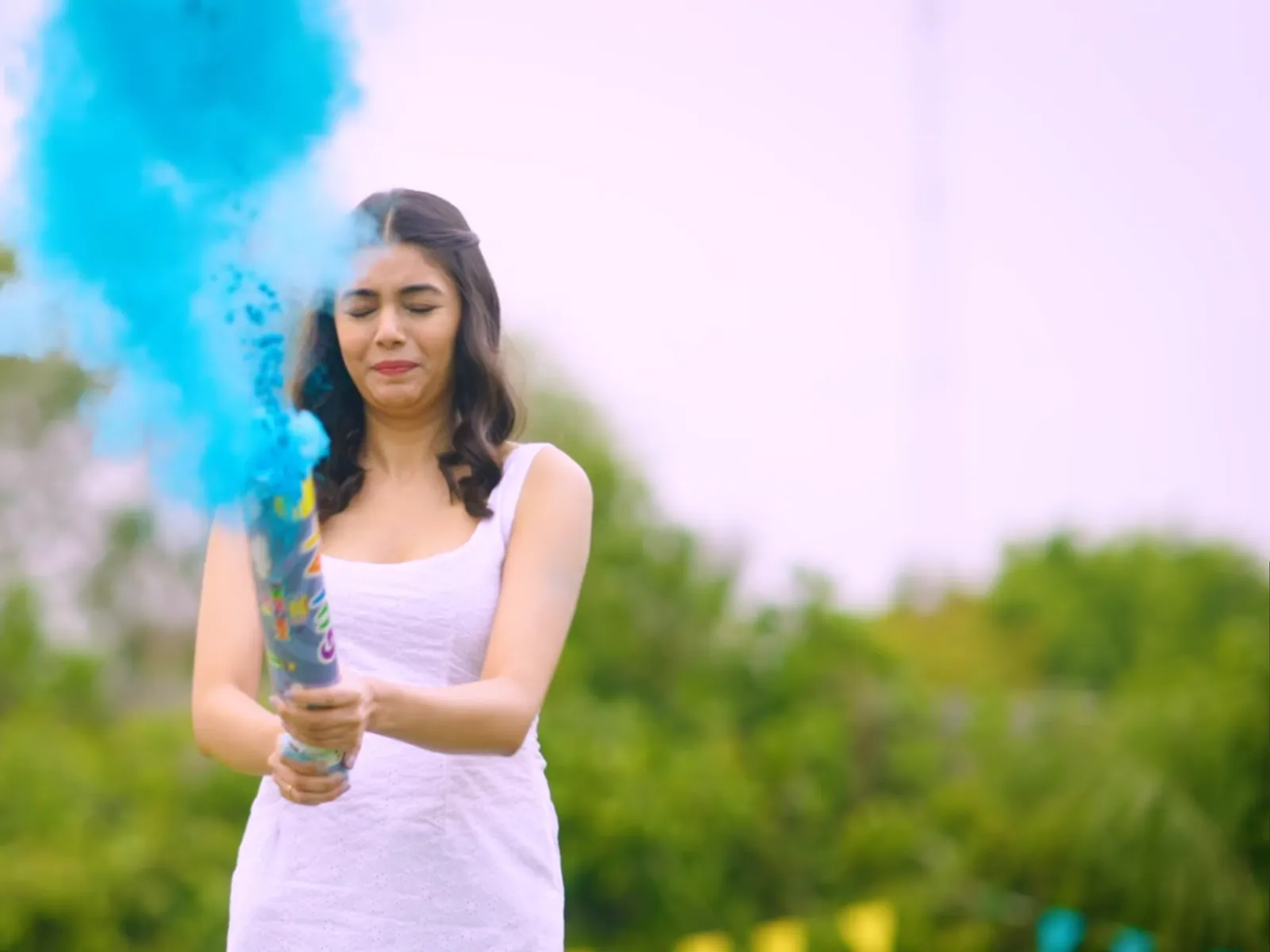
    Powder shoots, music video and campaign work, where what matters is how a colour holds its saturation in the air and how cleanly it clears.

How Holi is actually played

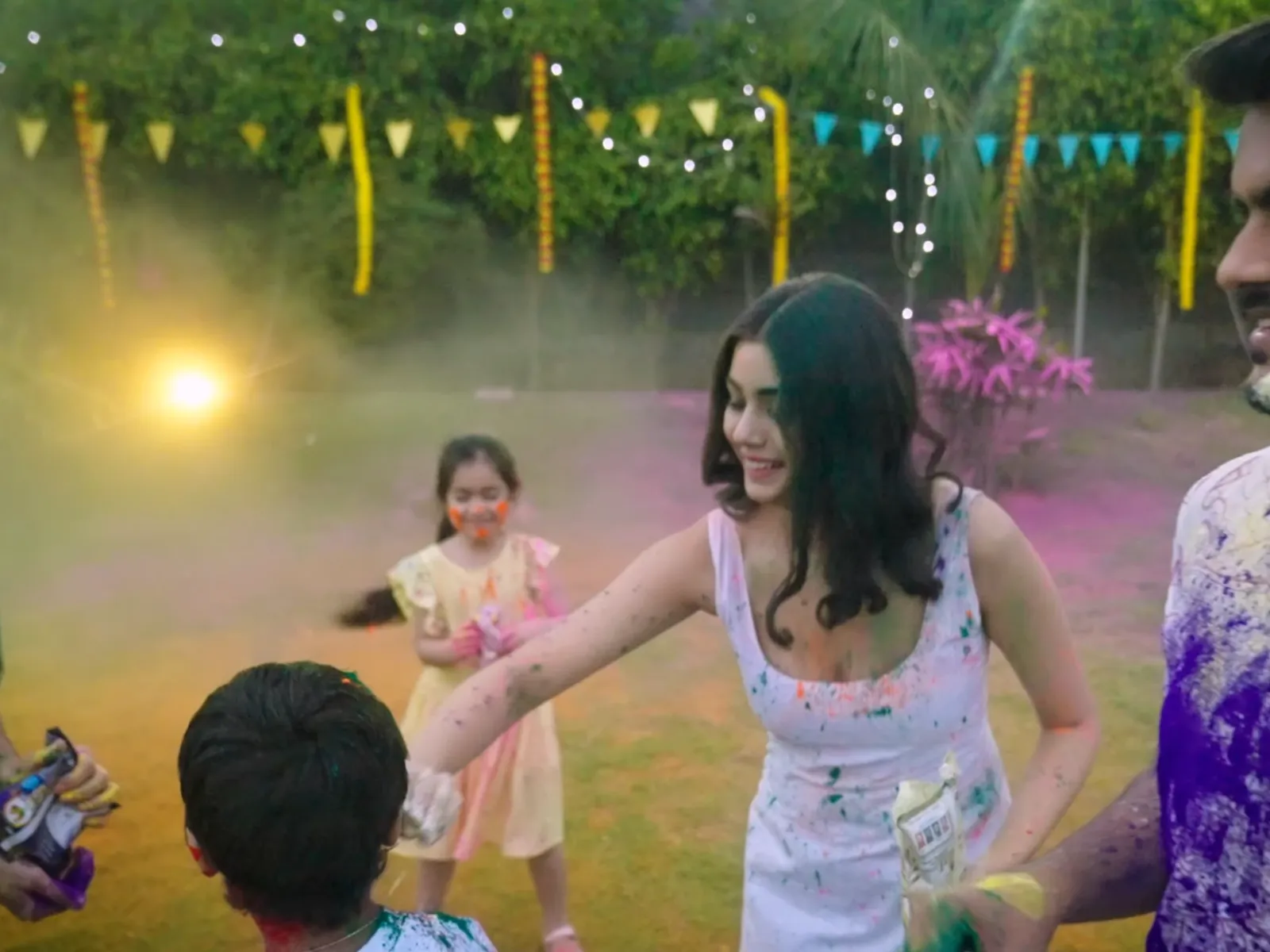
Holi falls on the full moon of Phalguna, in February or March, and runs over two days. The first evening is Holika Dahan, a bonfire. The colour is the following morning — Rangwali Holi — and it is played in the street, in courtyards and on rooftops, with dry powder smeared on the face and thrown by the handful, and water added through pichkari and balloons as the morning goes on.

That pattern is what a colour has to survive. It is handled by wet hands, mixed with water halfway through, worn for several hours and then washed off. A powder that clumps once damp, or that sets into fabric after an hour in the sun, fails on the day rather than in a lab.

The colour run circuit

Colour runs took the Holi idea and turned it into an event format: a five-kilometre course, participants in white, and stations along the route where volunteers throw powder as runners pass. The events are untimed and the colour is the point.

Buying for one is a different problem from buying for Holi. Volume is calculated per participant per station rather than per household, the colour has to photograph well in daylight for the event's own marketing, and organisers are answerable to a venue for what is left on the ground afterwards. Corn-starch colour is the standard for the format for exactly that reason — it is biodegradable and it hoses off hard surfaces.

What the colour is made of

The base is corn starch, milled fine. Colour is added from chemical-free raw materials, blended on dedicated lines, and tested before it goes anywhere near a pack. Every raw material is tested at intake and the run is checked at several points rather than only at the end, so a bad batch is caught while it is still a batch.

There is no filler doing the work of the base. That matters more than it sounds: the cheap end of this market is sand, chalk or industrial dye on a mineral carrier, all of which behave differently on skin and none of which wash out the same way.

Before you order

What is worth settling early

Combustible dust
Corn starch is an organic powder, and any fine organic powder can form a combustible cloud when dispersed in enough concentration near an ignition source. It is safe in the pack and safe in use, but storage, handling and carriage should follow your local rules for combustible dust. Ask and we will supply what your carrier or venue needs in writing.
Washability
Colour clears from skin with soap and water and from most fabrics in a normal wash. How completely depends on the fabric and on how long the colour has been left in it — a white cotton shirt worn for six hours in the sun is a different case from a wash the same evening. We do not claim it never marks anything.
Humidity in transit
A starch-based powder takes up moisture. Pack integrity through a long sea leg matters more for this product than for the plastics, and packing is specified against the route rather than as a single standard.
Specifications
Shade range, pack formats, carton configuration and shelf life are issued per quotation against current production, not published as a fixed sheet. Tell us the market and the volume and you get measured figures.

Before you ask

Questions about colour powders

What is Holi gulal made of?

Our gulal is milled on a corn-starch base and coloured with chemical-free raw materials. Corn starch is what makes it wash out of skin and most fabrics rather than staining them, and it is why the same powder is used for colour runs and school colour wars outside India. Cheaper colour on the market uses sand, chalk or industrial dye on a mineral carrier, which behaves differently on skin and does not clear the same way. Every raw material is tested at intake and the run is checked at several points during production.

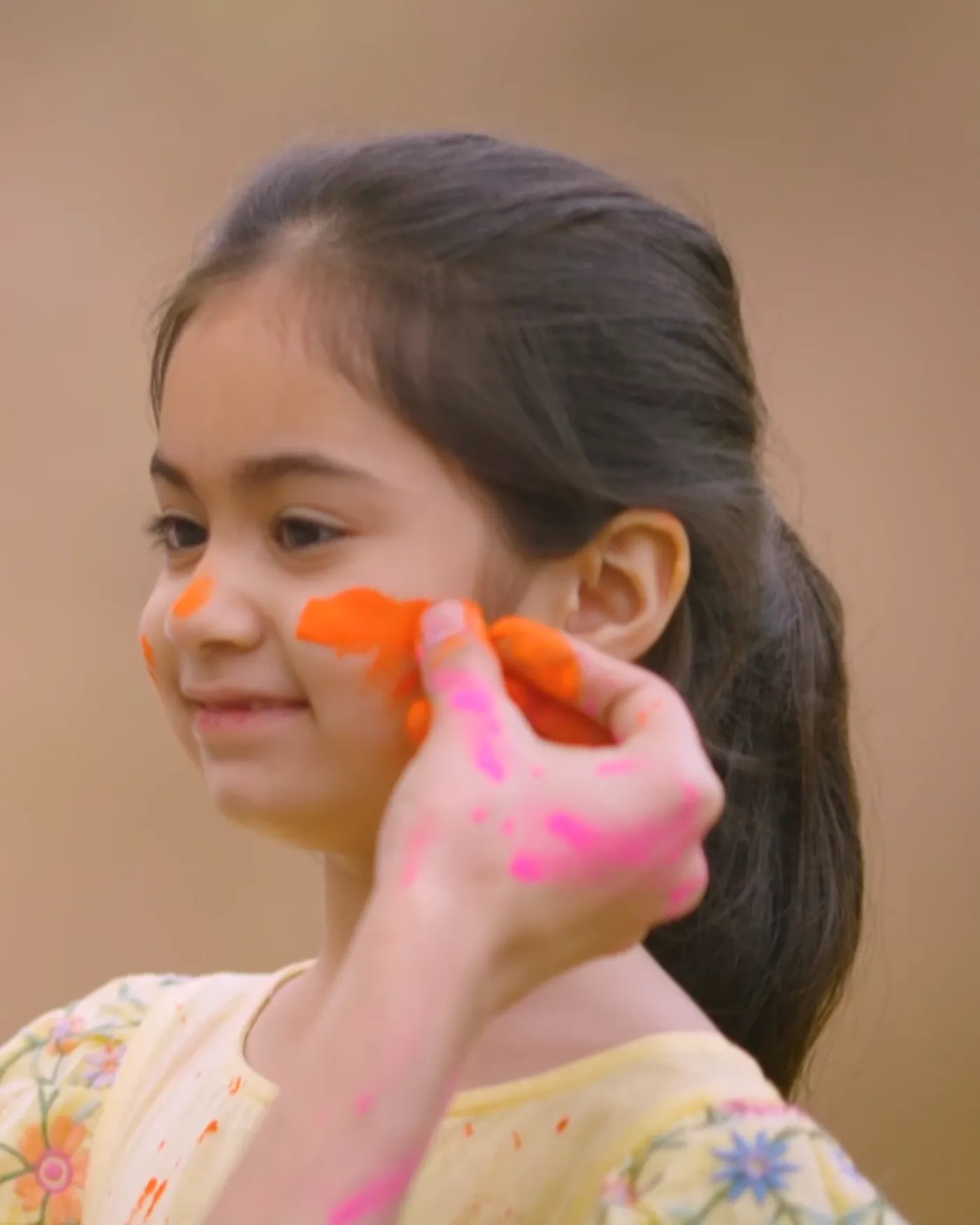
Is colour powder safe for children?

The powder is non-toxic and made on a food-grade base with chemical-free colourants, and it is used by children throughout India every Holi. Two practical cautions apply to any powder of this kind regardless of who makes it: keep it out of eyes, and treat it as a combustible dust in storage and handling, because any fine organic powder can ignite when dispersed in a high enough concentration near a flame. It is safe in the pack and safe in use.

Can the same powder be used for a colour run?

Yes, and a significant share of what we make goes to colour-run and colour-war organisers rather than to Holi. The format was modelled on Holi and uses the same corn-starch colour. Buying for an event is a different calculation: volume is worked out per participant per colour station, the colour has to photograph well for the event's own marketing, and the venue will care about what is left on the ground, which is where a biodegradable starch base earns its place.